

Why does your industry matter to a lender?
Your industry tells an underwriter how money moves through your business before they read a single bank statement. A restaurant collects card and cash sales every day. A trucking company hauls a load, then waits weeks for the broker to pay. A contractor bills in stages and may not see the last slice of a job until months after the crew has left.
For example, $60,000 a month in deposits reads very differently in each of those patterns. Daily, steady deposits suggest one kind of repayment. Lumpy deposits tied to invoices or pay applications suggest another.
What do underwriters look at through an industry lens?
They look at three things, and each one points you toward some products and away from others.
- Cash-flow pattern. Daily card sales make a business easy to collect from through daily or weekly debits, which is why merchant cash advance funders chase restaurants. Invoices paid on 30 to 90 day terms suit factoring or a line of credit. Milestone billing with retainage needs financing that can wait for the final payment.
- Collateral. A semi truck or an excavator has an active resale market, so equipment lenders can lend against it. A restaurant's buildout mostly stays with the building when you leave, so it supports very little borrowing on its own.
- Risk class. Many providers keep internal lists of sectors they price higher or decline. Restaurants, trucking and construction show up on some of those lists, and others treat them as core business. Even the SBA sets its size standards by NAICS industry code.
What do the industry pages cover?
Each page covers the financing questions specific to that trade, with the records that help you get a better offer.
- Restaurants: card-heavy daily sales and why advance funders target them, seasonal swings, which kitchen equipment holds value, the lease and buildout, liquor licenses, and franchise versus independent.
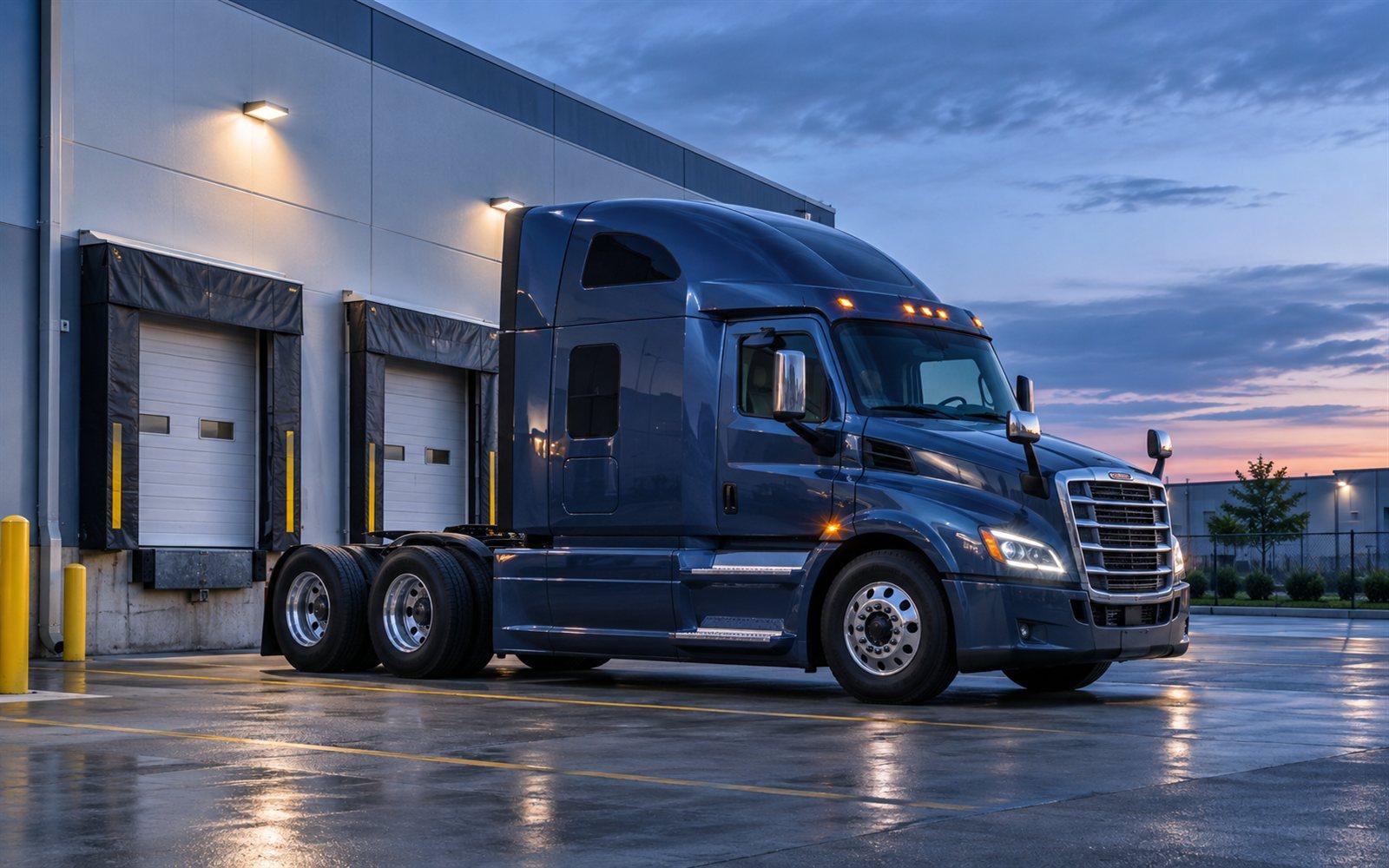
- Trucking: broker payment terms, how freight factoring and fuel advances work, authority age, truck age and mileage limits, insurance and IFTA.
- Construction: progress billing and retainage, pay-when-paid clauses, mechanics liens, bonding capacity, equipment financing versus renting, and why some factors avoid construction receivables.
You can apply with Kingsley Funding; it takes a few minutes and Kingsley Funding does not run a credit check. Kingsley Funding is not a lender: we share your application with lenders and funders that may be able to fund your business.
Common questions
Do some lenders refuse to fund certain industries?
Yes. Many lenders and funders keep internal lists of industries they treat as higher risk or decline outright, and the lists differ from one provider to the next. A decline from one provider because of your industry says little about the next one. That is one reason it helps to have your application seen by more than one provider.
Does my industry change which SBA loan I can get?
It can change whether you qualify at all. SBA size standards are assigned by NAICS industry code and measured by employees or annual receipts, so the cutoff for counting as a small business depends on what you do. Your trade also shapes which SBA program fits, for example a Contract CAPLine for a contractor working through specific jobs.
What if my industry is not one of the three covered here?
The same three questions apply to any trade: how and when customers pay you, what your equipment or property would sell for, and how your sector has performed. Read the funding pages for the product you are considering, and gather 12 months of bank statements and your recent tax returns before you apply.
Sources
Kingsley Funding is not a lender and does not make credit decisions. We connect business owners with lenders, funders and other business-financing providers. Submitting an application does not guarantee approval, and any rates, amounts or timing are set by the provider, not by Kingsley Funding.