Say you have $60,000 of invoices out with customers who usually take about six weeks to pay, and you need most of that cash this week. Two products can turn those invoices into money now: invoice factoring and invoice financing. They draw on the same receivables but differ on who owns the invoices, who chases payment and how you are charged. Our invoice factoring page explains how factoring works step by step; this guide is about choosing between the two.
What is the difference between invoice factoring and invoice financing?
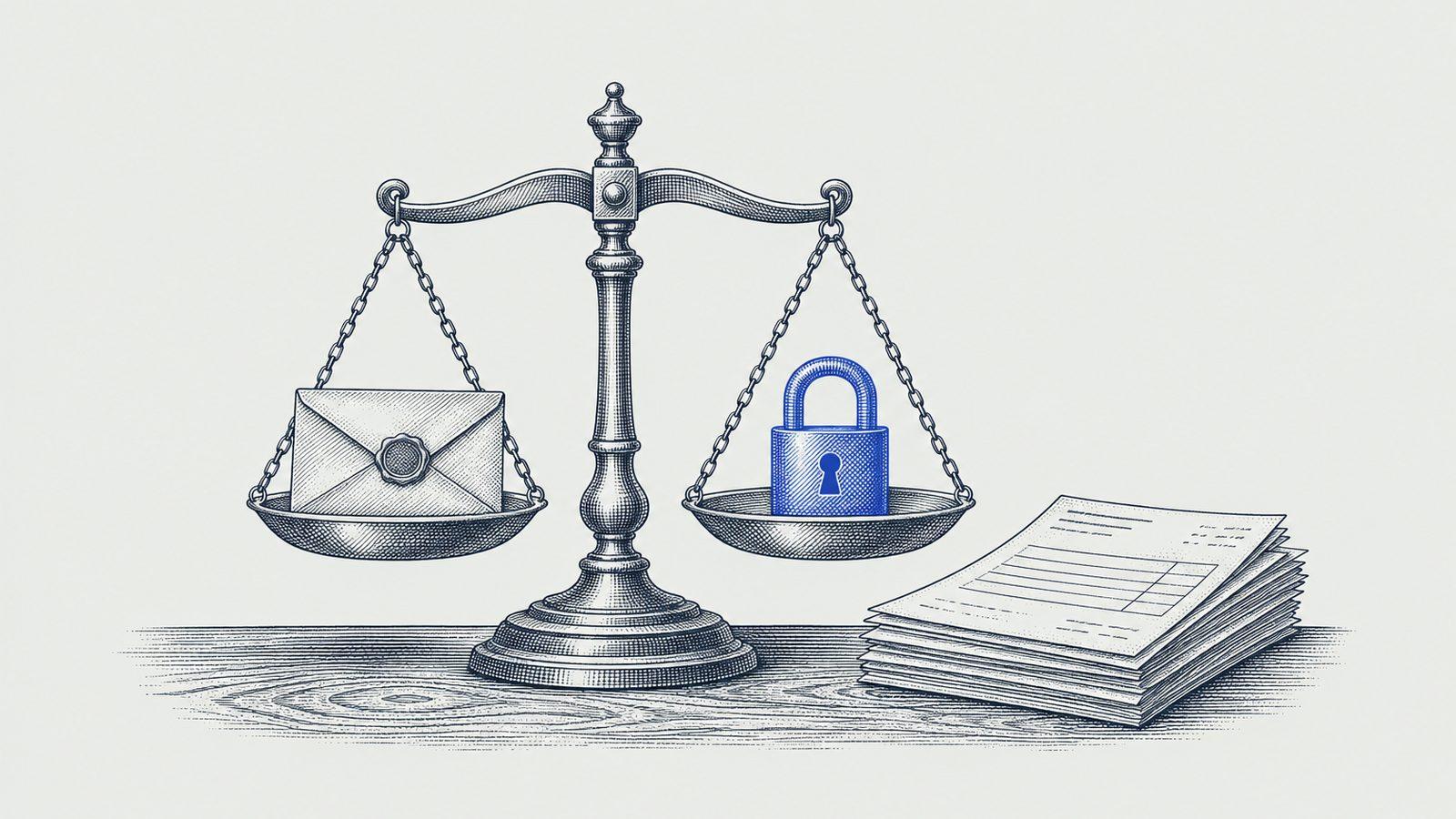
Invoice factoring is a sale, and invoice financing is a loan. With factoring, a factor buys your invoices, advances most of their value and collects from your customers. With invoice financing, also called accounts receivable financing, a lender advances money against your invoices, you keep collecting, and you repay the lender as customers pay you.
Invoice financing is often set up as a revolving line. The lender lets you borrow up to a percentage of your eligible receivables, called the borrowing base, and the limit moves up and down as you invoice and get paid.
The law treats the two as close cousins. Article 9 of the Uniform Commercial Code covers both security interests in personal property and outright sales of accounts, so either provider will usually file a UCC financing statement against your receivables.
How do factoring and invoice financing compare side by side?
The main differences are ownership, collections and how the price is charged.
| Invoice factoring | Invoice financing | |
|---|---|---|
| What happens to the invoice | Sold to the factor | Pledged as collateral; you still own it |
| Who collects | The factor, in most deals | You |
| Do customers know | Usually yes, through a notice of assignment | Usually no |
| How you receive cash | An advance on each invoice, then the reserve minus the fee | Draws against a borrowing base |
| How the cost is charged | A percentage of the invoice value per time block | Interest on the amount drawn, plus account fees |
| What underwriting stresses | Your customers' credit | Your own financials, plus your customers |
| Who carries bad debt | You under recourse; the factor in defined cases under non-recourse | You |
| Your ongoing work | Submitting invoices and proof of delivery | Collections plus regular reports to the lender |
Who collects, and will your customers find out?
With factoring, collections move to the factor, and your customers almost always find out. They receive a notice of assignment telling them to pay the factor. Under UCC 9-406, once a customer has that notice, paying you instead does not clear its debt, so the factor will make sure the notice is acknowledged. Most factors also call customers to verify invoices before funding.
With invoice financing, customers usually keep paying you exactly as before. The lender watches the account through reports you send, such as an accounts receivable aging report, and some lenders require customer payments to land in an account they control.
The trade-off is control against workload. Factoring takes collections off your desk, but a third party is now in contact with your customers. Ask any factor how and how often it contacts customers, and what happens when a payment is late.
How does each one show up on your balance sheet?
In general terms, invoice financing keeps the receivables on your balance sheet with a matching loan liability, while factoring set up as a true sale removes the sold invoices. After a sale, you typically record the cash received, the fee as a cost, and any reserve still owed to you by the factor.
Whether a particular factoring contract counts as a sale or as borrowing for accounting purposes depends on its terms, recourse in particular, and on the standards your accountant applies. Some factoring with full recourse ends up recorded as a secured borrowing. Confirm the treatment with your accountant or a tax professional before you rely on it for a loan covenant, a tax return or a bank application.
This matters for two practical reasons. Future lenders read your balance sheet and debt ratios. And many existing loan agreements restrict selling or pledging receivables, so read your current loan documents before you sign either product.
How is the cost structured?
Factoring is priced on the invoice, and invoice financing is priced on the money you actually use.
A factoring fee is a percentage of the invoice face value for each block of time the invoice stays unpaid, often charged in 10-, 15- or 30-day steps. The fee applies to the full invoice, even though you only received the advance up front. The invoice factoring rates guide breaks down flat, tiered and daily fee schedules.
Invoice financing charges interest on the outstanding balance, usually calculated daily, plus account fees. Those can include an origination or commitment fee, a monthly maintenance or collateral monitoring fee, and sometimes an unused line fee. Because the two products charge on different bases, the only fair comparison is dollars on the same invoices over the same days.
Worked example: $60,000 of invoices paid in 44 days
Example: Factoring offer: 80% advance, and a fee of 1.8% for the first 30 days plus 0.6% for each extra 10 days. Your customers pay on day 44, which adds two 10-day blocks, so the fee is 1.8% + 1.2% = 3.0% of $60,000, or $1,800. You get a $48,000 advance, the factor holds a $12,000 reserve, and it releases $12,000 minus $1,800, or $10,200, after payment. Total received: $58,200.
Financing offer: you draw the same $48,000 on a receivables line at 14% annual interest and repay it on day 44. Interest is $48,000 x 14% x 44/365, about $810. The line also charges a $300 monthly account fee, so two months add $600. Total cost: about $1,410.
On these numbers, invoice financing is about $390 cheaper. Annualized against the $48,000 you used, the factoring cost works out to roughly 31% a year and the financing cost to roughly 24% (simple, not compounded).
Timing changes the picture. If the same customers paid on day 70, the factoring fee would rise to 4.2%, or $2,520, while the financing cost would be about $1,289 of interest plus $900 of monthly fees, about $2,189. Run your own slow-pay scenario, not just the on-time one. For the financing side, the business loan calculator helps with the interest math on any fixed draw.
What the example does not show: with financing, you did the collecting and you had to qualify for the line, which usually means stronger financials and more reporting.
Which one fits your business?
Factoring usually fits when your customers are stronger credits than you are. Typical signs:
- Your business is young or your credit is thin, but you sell to established companies or government agencies.
- You have no one on staff to chase payments.
- Sales are growing fast, and you need funding that grows with each invoice.
- You need cash on one or two large invoices, which spot factoring can cover.
Invoice financing usually fits an established business with clean books. Typical signs:
- You can produce monthly financial statements and an accurate aging report.
- You want your customers to keep dealing only with you.
- Your volume is large and steady enough that interest on drawn balances beats per-invoice fees.
If neither fits, a business line of credit not tied to specific invoices may be simpler and cheaper. Staffing firms have their own wrinkles, covered in invoice factoring for staffing agencies.
What should you ask before you choose?
Ask the same questions of every offer so the answers line up:
- Is the fee or interest charged on the invoice value, the amount advanced, or the amount drawn?
- How does the cost step up if a customer pays late, and what happens after 90 days?
- For factoring: is it recourse or non-recourse, and how is a covered loss defined? Our recourse vs non-recourse factoring guide covers the clauses to read.
- For financing: what share of receivables counts toward the borrowing base, and which invoices are ineligible (for example, invoices more than 90 days old)?
- Must you submit every invoice from every customer, or can you choose?
- What are the monthly minimums, the contract length, the renewal terms and the cost to leave early?
Get the answers in writing and price both options on the same batch of real invoices. If you want offers to compare, you can apply with Kingsley Funding; it takes a few minutes and Kingsley Funding does not run a credit check. Kingsley Funding is not a lender or factor, and the providers you are matched with set their own terms and may check your credit and your customers' credit before making an offer.
Common questions
Is invoice financing the same as accounts receivable financing?
Usually, yes. Both terms describe borrowing against your unpaid invoices while you keep ownership of them and keep collecting from customers. Lenders often set it up as a revolving line with a borrowing base, which is a percentage of your eligible receivables. Some providers use the terms loosely, so read whether the contract is a sale or a loan before you compare prices.
Which is cheaper, invoice factoring or invoice financing?
Invoice financing is often cheaper for businesses that qualify, because interest is charged only on the amount you draw and only for the days it is outstanding. Factoring fees are charged on the full invoice value in time blocks. Monthly account fees on a financing line can narrow the gap, so compare both in dollars on the same batch of invoices.
Will my customers know if I use invoice financing?
Usually not. With invoice financing your customers keep paying you, and the lender relies on reports you send, such as an aging report. Some lenders require customer payments to go into an account they control, which customers may notice. With factoring, customers are normally told to pay the factor through a notice of assignment.
Can I use both factoring and invoice financing at the same time?
Rarely on the same invoices. Both providers will want a first claim on your receivables and will usually file a UCC financing statement to secure it. A second provider will typically refuse to fund invoices the first one already has a claim on. Some businesses factor one customer's invoices through a carve-out agreement, but that needs both providers to agree in writing.
Is factoring a loan on my balance sheet?
It depends on the contract. Factoring set up as a true sale generally removes the sold invoices from your balance sheet, while invoice financing keeps them there with a matching liability. Heavy recourse terms can lead an accountant to treat factoring as borrowing instead. Ask your accountant how a specific contract would be recorded.
Sources
Written and fact-checked by Kingsley Funding Editorial. Read our editorial standards to see how guides are researched, checked and corrected.
Kingsley Funding is not a lender and does not make credit decisions. We connect business owners with lenders, funders and other business-financing providers. Submitting an application does not guarantee approval, and any rates, amounts or timing are set by the provider, not by Kingsley Funding.